
November 19, 2026
Governments Think They Can Regulate Bitcoin. Eventually, Bitcoin Will Regulate Governments.
Opinion: Bitcoin could place competitive limits on monetary expansion and reshape the relationship between citizens and the state. A reflection on fiscal discipline, voluntary cooperation and accountability.
Opinion
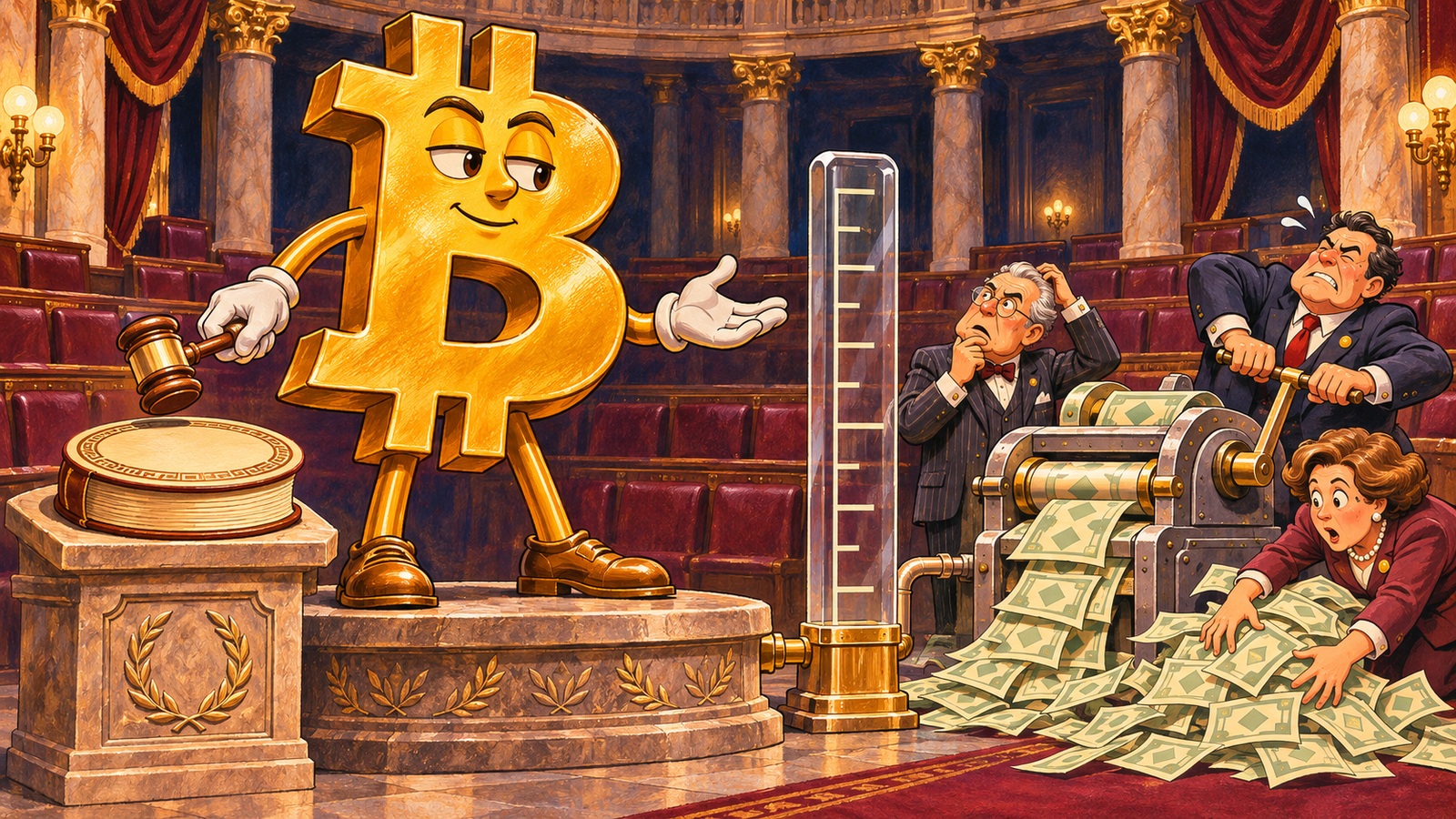
Governments around the world believe they can regulate Bitcoin, control its adoption, tax its transactions, and force it to operate within the boundaries of their financial systems. But they misunderstand the fundamental shift taking place. Bitcoin is not simply another financial instrument to be regulated; it is an independent monetary system governed by mathematical rules rather than political discretion. Its supply is limited to approximately 21 million coins, and its issuance follows a predetermined, progressively declining schedule that cannot be arbitrarily altered by politicians or central bankers. Unlike fiat currencies, which can be created through monetary expansion, Bitcoin offers no printing press and no committee capable of changing its monetary policy at will. As Bitcoin adoption expands, governments may discover that their ability to continuously create money and debase citizens' savings faces a powerful competitive constraint. Excessive monetary expansion risks driving people toward harder monetary alternatives, undermining confidence in national currencies and potentially destabilizing their economies.The irony is that while governments believe they are regulating Bitcoin, Bitcoin may ultimately impose discipline on their monetary policies, spending, and fiscal behavior.
This transformation could fundamentally redefine the relationship between citizens and the state. For generations, governments have financed themselves through taxation, borrowing, and monetary expansion, often transferring the costs of their decisions to future generations or eroding purchasing power through inflation. Bitcoin introduces an alternative monetary foundation with a predictable, non-discretionary issuance schedule that no individual government can manipulate. In a world where citizens can preserve and transfer wealth outside traditional monetary systems, politicians and central bankers would face greater pressure to justify public expenditures, maintain fiscal discipline, and preserve confidence in their currencies. Governments that attempt to finance unlimited spending through monetary creation could find themselves competing against a monetary standard they cannot debase. This competition could eventually reshape taxation itself, creating pressure for public financing to rely increasingly on voluntary contributions, solidarity, and generosity rather than compulsory extraction. Such an evolution would not happen automatically, but it raises a profound possibility: a society in which governments must earn financial cooperation rather than assume unlimited authority over their citizens' wealth.
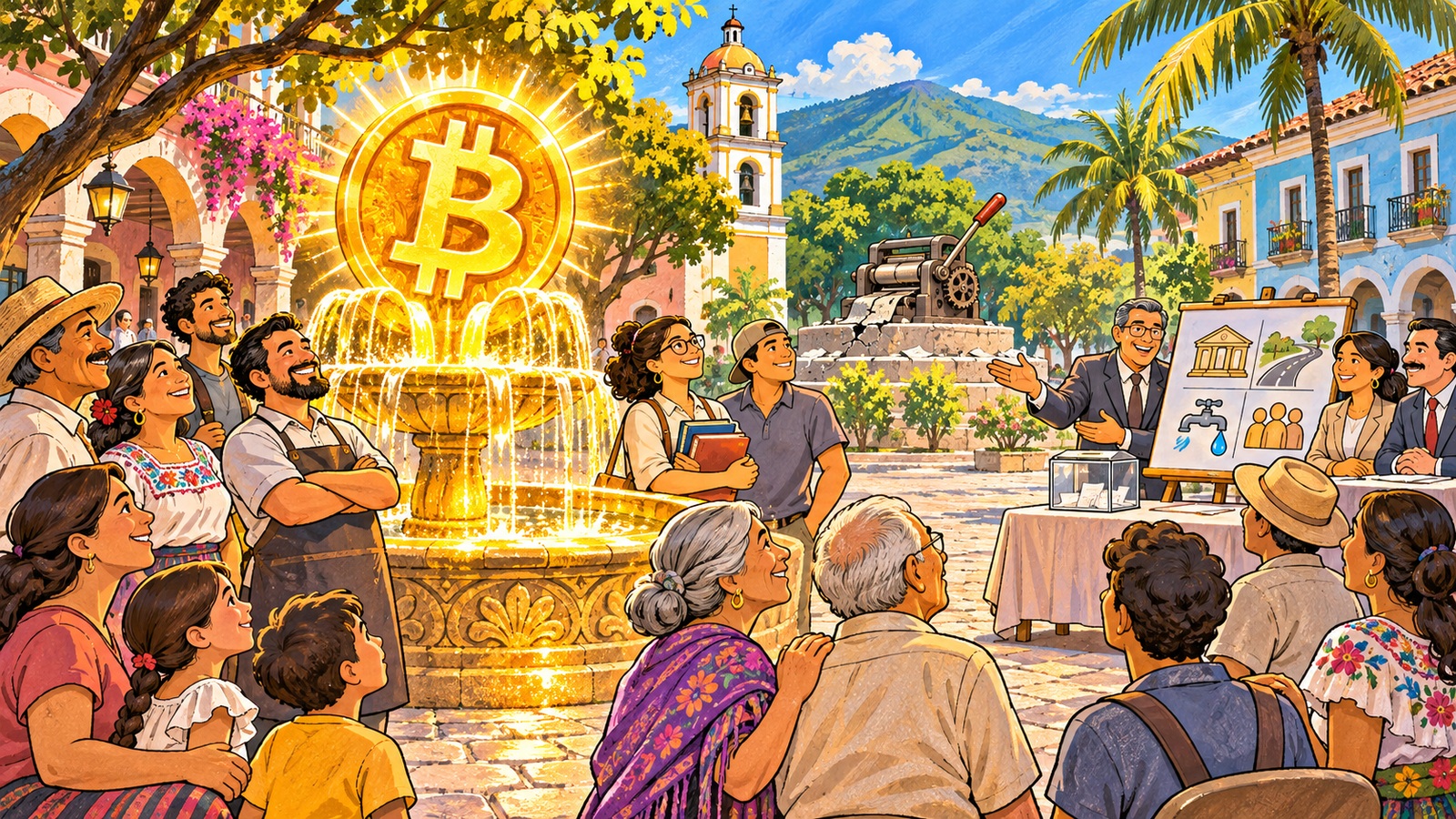
The ultimate irony is that politicians, who have always depended on citizens voluntarily giving them votes, may eventually have to ask those same citizens to voluntarily give them money. Imagine a political system where governments must persuade people not only to elect them but also to finance their policies, institutions, infrastructure, and public services. Political leaders would have to demonstrate transparency, efficiency, accountability, and tangible results to attract economic support. Central bankers would no longer enjoy the same freedom to expand monetary supply without facing the consequences of competition from an alternative they cannot control. Bitcoin would not need to prohibit taxation, government spending, or fiat currency issuance; its mere existence as a credible monetary alternative could increasingly constrain all three. Bitcoin's greatest political consequence may therefore be not the elimination of governments, but the reversal of their relationship with citizens: a world where politicians must compete for economic support, central bankers must respect monetary discipline, and governments become accountable to the people whose wealth they can no longer endlessly debase.